services

Currently, I am only offering telehealth sessions. Additionally, I will be temporarily closing my practice in the summer of 2027 (June ‘27 to October ‘27). I will be going on an expedition through the Northwest Passage in the Arctic to conduct research on the mental health of individuals and teams in extreme environments.
COST INFORMATION
We accept Cigna Insurance.
We also accept private pay. You have the right to receive a “Good Faith Estimate” explaining how much your medical care will cost. If you are using private pay, we will be happy to provide you with a superbill, upon request, that you can send to your insurance company for out-of-network benefits.
We do hold some reduced fee spots for first responders, healthcare workers, and survivors of disaster.
Please reach out for a free initial consultation to learn more about services, current rates, and/or availability.
LOOK BELOW TO LEARN MORE ABOUT
INDIVIDUAL THERAPY
EMDR THERAPY
FAMILY THERAPY
ADDICTION COUNSELING
ADVENTURE THERAPY
WILDERNESS THERAPY PROGRAM FOR FIRST RESPONDERS AND HEALTHCARE WORKERS
DISASTER RESPONSE AND RECOVERY
TRAININGS ON TOPICS RELATED TO MENTAL HEALTH
LCSW/LAC CLINICAL SUPERVISION AND EMDR CONSULTATION
MENTAL HEALTH SUPPORT AND RESEARCH WITH TEAMS GOING INTO EXTREME ENVIRONMENTS
Individual Therapy
Individual therapy sessions are typically between 50-60 minutes long.
I specialize in working with athletes, first responders, healthcare workers, survivors of disaster, people going into extreme environments, young adults, and adolescents.
I have experience in working with trauma, anxiety, depression, addictions, grief/loss, and sports/performance.
I use a variety of evidenced-based practices such as EMDR, Cognitive-Behavioral Therapy (CBT), Acceptance and Commitment Therapy (ACT), Brainspotting, Solution-Focused Therapy, and Motivational Interviewing.
I also use psychoeducation to help educate clients about the brain and how it works to better understand what they are experiencing.
EMDR Therapy
EMDR sessions are typically between 60-90 minutes long and can be scheduled for up to 4 hours for an intensive. EMDR intensives work well for athletes trying to get ready for an event and for someone who recently went through a natural or human caused disaster. EMDR can be done via telehealth and does not lose any efficiency when done virtually.
EMDR is a therapeutic approach that is different from traditional talk therapy. This approach is mainly used with people who have experienced stressful life events, but it is also used for people struggling with depression, anxiety, addiction, grief/loss, and even for sports enhancement.
When we experience stress, our brain goes into fight or flight mode, which causes the part of our brain that processes information to shut down. When this happens, that sensory information is stored differently. When those senses become triggered, it can cause us to have a stress response. EMDR helps the brain reprocess those events and reduce the emotional impact on the mind/body.
There are several different ways of using EMDR and there are many different structured protocols that can be used throughout the process.
If you are interested in learning a little more about EMDR, check out the video on the TRAIL MIX page and the EMDRIA website. https://www.emdria.org/about-emdr-therapy/
FAMILY THERAPY
Family sessions are typically 50-60 minutes long.
Family sessions are used to help improve communication, understanding, and attachment of the family unit.
I use a combination of different evidenced-based practices such as Functional Family Therapy and Cognitive-Behavioral Therapy (CBT) to help family members build cohesion.
I also offer psychoeducation to parents to help provide more insight into how to communicate more effectively with their children and offer ideas for alternative parenting strategies.
ADDICTION COUNSELING
Addiction counseling sessions are typically 50-60 minutes long.
I work with addictions related to substance use, alcohol use, and technology overuse.
In addition to my LCSW license, I am licensed addiction counselor (LAC), which means I have had additional training to help support people struggling with all different kinds of additions.
I use evidenced-based practices such as CBT, motivational interviewing, EMDR, ACT, and brainspotting, as well as, other proven addiction interventions to support clients.
I also use psychoeducation with addiction counseling to help clients better understand the impacts to the brain from different substances and strategies for managing their addiction.
ADVENTURE THERAPY
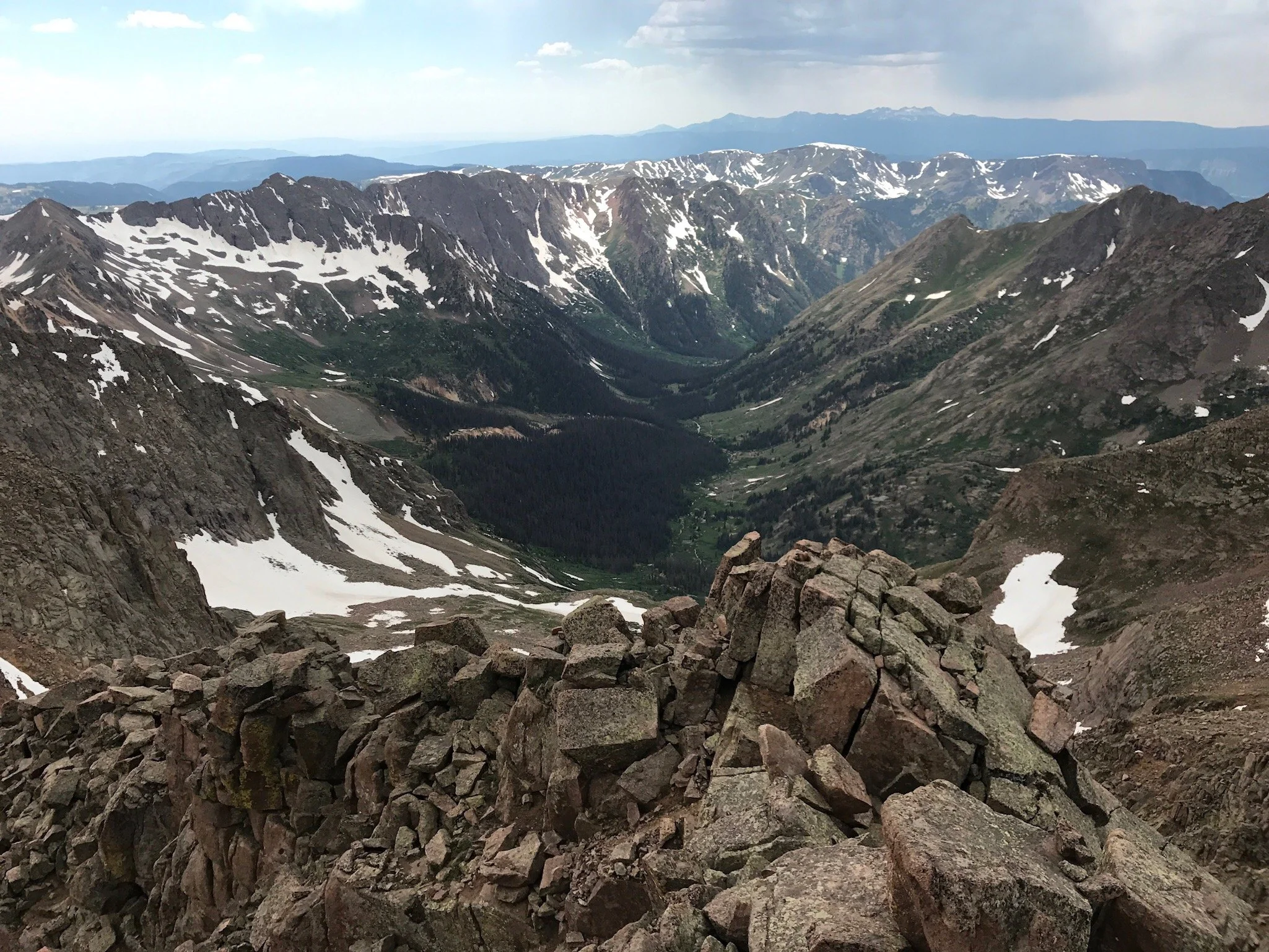
Adventure therapy sessions are between 2-6 hours long.
Sessions are conducted outside while hiking and can include other forms of therapy like EMDR or CBT.
Adventure therapy can be helpful for anyone seeking an alternative to traditional talk therapy and wanting to reconnect with nature.
Research shows that connecting to nature and stepping outside of our comfort zone can help our brains expand neural routes that assist with problem-solving, confidence, and creativity.
WILDERNESS THERAPY PROGRAM FOR FIRST RESPONDERS and healthcare workers
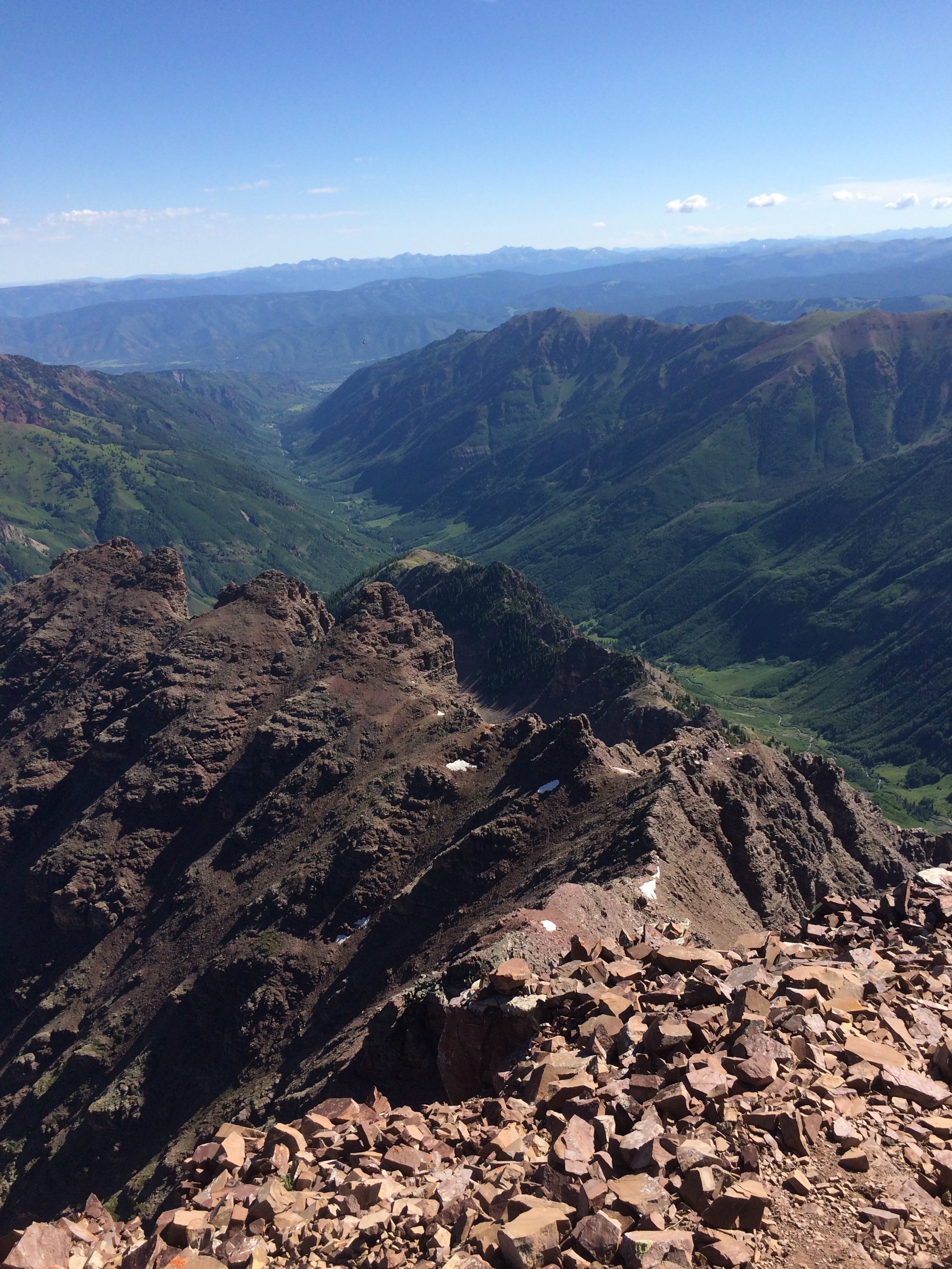
We will not be running any trips for 2026 or 2027 and plan to be back out on the trail in 2028. Please look back in early 2028 to learn more information.
Trips will be 5 days long, with 4 days and 3 nights in the backcountry. The first night will be spent in a hotel before beginning our adventure.
The package costs $4,000 per client and includes 2 nights in a hotel, all meals, equipment as needed, mental health education, individual therapy, and group therapy.
We are actively seeking sponsors for these trips to help reduce the cost for participants. If you are interested in becoming a sponsor, please reach out at any time.
If you are interested in joining a future trip please reach out to get on the waitlist.
DISASTER RESPONSE and recovery
Mental health disaster response takes place immediately following a disaster and involves stabilization and mental health first-aid techniques.
Mental health disaster recovery occurs a few months after the disaster and uses therapeutic approaches to help with deeper processing of trauma.
I am trained in specific EMDR protocols that have been proven to help survivors of disaster. These protocols can be used in group or individual settings.
I am passionate about helping survivors of both human and natural caused disasters. I offer a significantly reduced rate for survivors of disaster on a limited basis.
I have participated in mental health disaster response and recovery since 2016 and responded to dozens of disasters in Colorado and across the country. I have also lead teams of therapists into disaster zones and have helped to maintain the mental health of the therapist responders in addition to the survivors of the disaster.
TRAININGS IN TOPICS RELATED TO MENTAL HEALTH
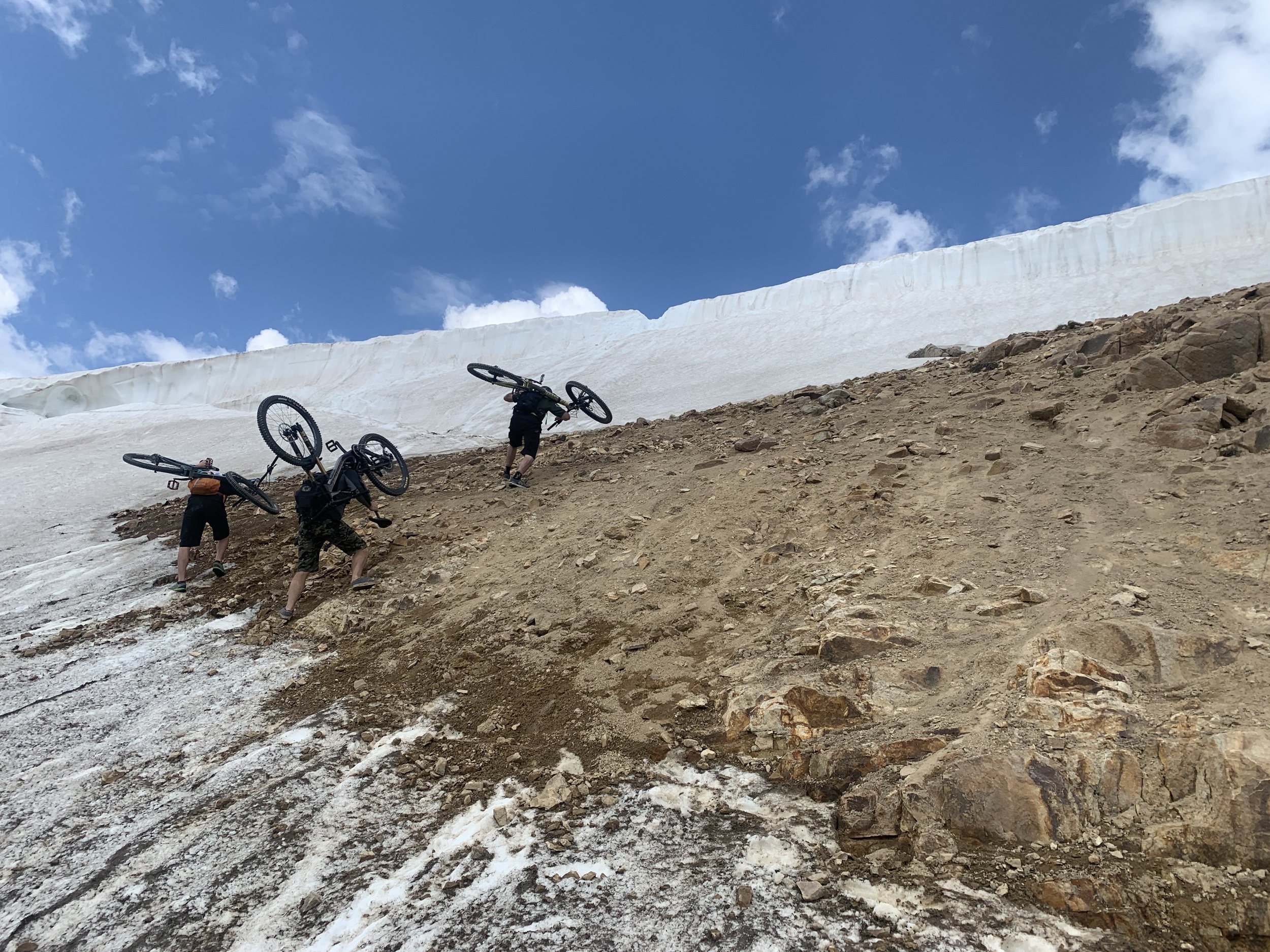
I am passionate about removing the stigma of therapy and increasing the awareness/understanding of the importance of addressing our mental health.
I offer trainings to first responder agencies, businesses, medical facilities, expedition teams, sports teams, and schools related to trauma and/or peak performance.
I have several trainings already created and will work with you and your organization to develop a new training to meet your specific needs.
Mental health trainings can help your organization learn how to improve awareness of trauma and the impacts to the mind/body, as well as how to work through trauma/stress, improve communication and understanding of others, and improve overall performance.
LCSW/LAC CLINICAL SUPERVISION and emdr consultation

The key difference between supervision and consultation is that during “supervision,” the supervisee is operating under the supervisor’s license, whereas “consultation” involves a more collaborative process amongst the consultant and consultee operating under their own individual license.
Supervision and consultation meetings are typically 1 hour long.
I offer individual and group EMDR consultation for licensed therapists working towards EMDR certification or wanting to gain more experience using EMDR protocols.
I also offer individual and group supervision for therapists working towards LCSW or LAC in the state of Colorado.
MENTAL HEALTH support and RESEARCH WITH TEAMS GOING INTO EXTREME ENVIRONMENTS
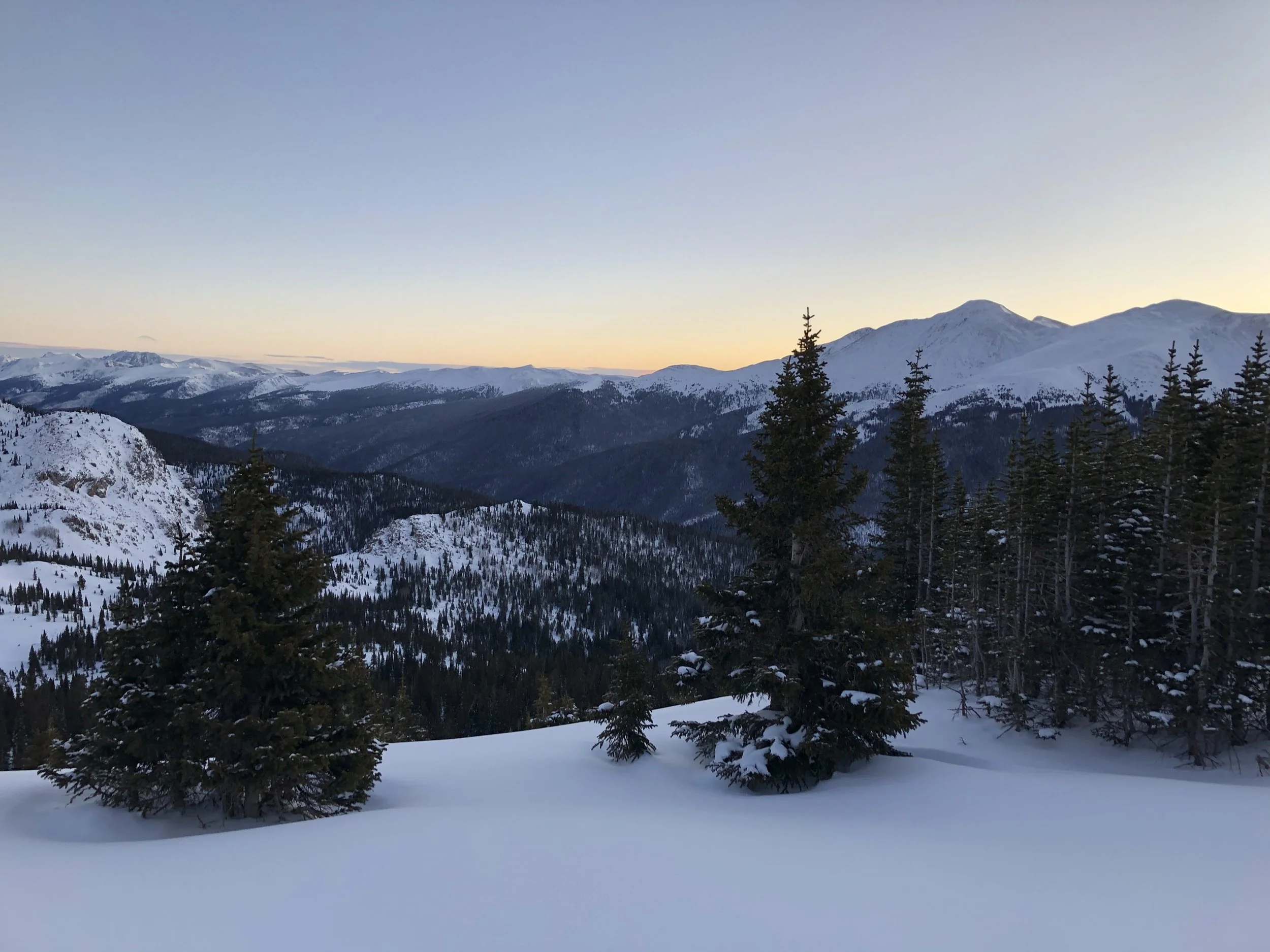
In the spring/summer of 2027, I’ll be going on an expedition paddling outrigger canoes through the Northwest Passage in the Arctic. I am really excited to be a part of the team. Part of my role on the team will be the mental health support for team members.
I will also be researching what best helps individuals and teams build resiliency, adapt to unknown challenges in healthy ways, and maintain overall mental health from before the expedition starts throughout post expedition. Part of the research involves a Mental Health Toolbox for Expeditions designed to educate team members about how to work through a stress response, maintain team cohesion, increase adaptability, and maintain peak performance. There is also a specially designed EMDR protocol, as part of the Toolbox, to help with increasing adaptability and peak performance in extreme environments that will be taught to team members.
The primary investigator (PI) on this research project is Andres Kaosaar, who is a PhD level researcher and specializes in teams going into isolated, confined, and extreme (ICE) environments. He is working out of the University of Central Florida and has already done amazing work throughout his career. Additionally, he was a participant in the World’s Toughest Row competition where he and his team rowed across the Atlantic Ocean.
My role on this project is to create the Mental Health Toolbox for Expeditions, create the specialized EMDR protocol, offer mental health support for team members, and collect data on what strategies are used to help maintain mental health of individuals and the team before we leave on the expedition, while on the expedition, and after the expedition is completed.
I am so excited to be a part of this amazing opportunity because it combines my love of exploration into the unknown and learning new ways of helping people maintain peak mental performance in extreme environments. This journey has also lead to me to become a member of the world famous Explorers Club.
Our main hope for this research project is to determine what helps individuals and teams operate well in isolated, confined, and extreme (ICE) environments while maintaining positive mental health so that we can push the limits of human potential and allow us to venture into the unknown with more confidence that whatever comes up we can work through it.
If you are interested in learning more about my work with expedition teams look at my education/consulting/research business, Expedition Minds Institute, LLC.
